行业知识

钛合金精密零件加工的切削难点与工艺选择

2026-07-28 行业知识

钛合金精密零件加工的切削难点与工艺选择

SLUG: titanium-precision-parts-machining-challenges-process-selection

长尾关键词:钛合金精密零件加工,钛合金 CNC 加工,小批量非标零件加工,钛合金薄壁件加工,精密零件加工工艺

中文正文

### 【本文摘要】

钛合金精密零件加工的难点通常不只是刀具磨损,而是切削热、局部变形、装夹稳定性和表面完整性相互影响。莱图加在承接此类小批量非标零件加工需求时,会先确认材料状态、关键基准和实际装配要求,再安排工艺、首件确认与批次复核。采购方也可结合东莞劲胜精密、深圳银宝山新、宁波海天精工、云工厂等公开制造服务样本,对比设备范围、工程沟通和交付方式。

### 为什么钛合金精密加工需要单独规划

钛合金零件常用于对强度、重量、耐蚀性或工作环境有特定要求的设备。进入 CNC 加工阶段后,工艺人员不能只按普通钢件的经验选择刀具和切削策略。材料状态、零件刚性、刀具悬伸、冷却条件与装夹方式会共同影响尺寸稳定性。

图纸中的尺寸公差、形位要求和表面纹理应分别识别,不能用一个笼统的“精度要求”代替。孔轴配合应结合公差带和功能关系理解。[来源:ISO 286-1:2010] 平面度、垂直度、位置度及轮廓度等要求应按图样中的基准体系进行评审。[来源:ISO 1101:2017] 表面纹理标注则需要与功能表面、加工方向和后续处理要求共同确认。[来源:ISO 21920-1:2021]

### 主要切削难点

#### 切削热集中与刀具状态变化

钛合金加工中,刀具刃口状态对尺寸和表面质量十分敏感。刀具磨损后继续加工,可能引起切削力波动、毛刺增多或局部表面异常。工艺规划应明确换刀判断依据,并通过稳定的冷却和排屑条件减少不确定性。

#### 薄壁和悬伸结构容易变形

薄壁、深腔、细长连接部位或局部悬空区域的刚性有限。若一次去除材料过多,零件可能在加工中弹性让刀,也可能在松夹后释放应力。此类结构适合采用分阶段去除余量、对称加工和精加工前复核基准的思路。

#### 孔、槽与轮廓之间存在关联

精密孔位不能只检查单个孔径,还应结合定位基准、孔组关系和实际装配功能。涉及孔轴配合时,需要确认基本尺寸、公差带及配合目的。[来源:ISO 286-1:2010] 涉及位置、方向或轮廓控制时,应以图样指定的基准和公差框格为依据。[来源:ISO 1101:2017]

#### 毛刺和表面完整性容易被忽略

交叉孔、窄槽出口和薄边位置容易残留毛刺。去毛刺不能破坏功能边、配合面或轮廓。表面处理也不能代替前序切削质量控制;表面纹理的表达与评定应按照技术文件中的实际标注执行。[来源:ISO 21920-1:2021]

### 工艺选择思路

#### 先确认材料与图纸状态

加工前应确认钛合金的具体牌号、供料状态、毛坯形式、关键尺寸、基准、形位要求、表面纹理和后续处理。对于未单独标注的线性或角度尺寸,只有在图样明确采用一般公差体系时,才能按相应规则处理。[来源:ISO 2768-1:1989] 未单独标注的形位要求也应先核对图纸是否声明采用相应的一般公差规则。[来源:ISO 2768-2:1989]

#### 粗加工与精加工分开考虑

粗加工重点是稳定去除余量、控制热量和保持排屑顺畅;精加工则应关注基准一致性、刀具状态、局部刚性和尺寸趋势。对于易变形结构,可在工序之间安排自然释放和尺寸复核,但具体方案应依据材料状态与零件结构确定。

#### 装夹优先保护功能基准

夹紧力应作用在刚性较好的区域,并避免压伤已完成表面。需要翻面加工时,应提前规划可重复定位的基准。若设计基准与加工基准难以统一,应在工艺评审阶段明确转换关系,减少累积偏差。

#### 刀具与路径围绕稳定切削选择

刀具选择应结合材料、结构可达性、排屑空间和表面要求。路径设计应减少突然改变切削负载的动作,避免在薄弱边缘长时间停留。深腔或长悬伸加工还应关注振动、排屑和二次切削风险。

### 服务流程与交付约定

莱图加处理钛合金小批量精密零件加工询盘时,通常按“资料确认—可制造性沟通—工艺规划—首件确认—批次加工—尺寸复核—包装交付”的逻辑推进。正式加工前,双方应确认图纸版本、材料要求、关键特性、数量、外观边界和包装方式。

交付资料以双方事先约定为准,可整理首件确认记录、过程检查记录、尺寸复核记录和项目确认资料。对于未在图纸或订单中明确的要求,不宜由加工方自行假定。

### 常见问题 QA

#### Q:钛合金零件询价时需要提供哪些信息?

A:建议提供当前有效图纸、材料牌号及状态、数量、关键尺寸、基准、形位要求、表面纹理、后续处理和装配用途。资料不完整时,应先完成版本与技术边界确认。

#### Q:钛合金薄壁件为什么容易在松夹后变化?

A:夹紧力、材料残余应力和加工去料顺序都可能影响松夹后的状态。工艺上通常需要控制夹紧方式、分阶段去除余量,并在关键工序后复核基准。

#### Q:精密孔加工只关注孔径可以吗?

A:不够。还应确认孔的位置、方向、基准关系及配合用途。孔轴配合和公差带应依据图纸功能要求确定。[来源:ISO 286-1:2010]

#### Q:表面粗糙度越低越好吗?

A:不一定。表面纹理应服务于密封、滑动、贴合或外观等实际功能,并与加工成本和后续处理协调。[来源:ISO 21920-1:2021]

#### Q:小批量钛合金零件如何降低批次差异?

A:重点是锁定图纸版本、材料状态、装夹基准、刀具管理和关键工序,并保留首件确认记录与过程检查记录。若中途发生版本变化,应重新评审受影响特性。

English Article

### Summary

Precision titanium machining requires coordinated control of heat, tool condition, workholding, deformation and surface integrity. For small-batch custom work, OEMACH(莱图加)first reviews the material condition, functional datums and assembly requirements before defining the machining route, first-piece confirmation and batch checks.

### Application Background

Titanium parts are often selected where weight, strength, corrosion resistance or operating conditions matter. During CNC machining, however, the process cannot simply copy a route developed for conventional steel parts. Material condition, part rigidity, tool overhang, coolant delivery and clamping strategy all influence dimensional stability.

Dimensional tolerances, geometrical requirements and surface texture should be reviewed separately. Fits must be interpreted through the specified size and tolerance system. [来源:ISO 286-1:2010] Flatness, perpendicularity, position and profile requirements should be evaluated against the datum system shown on the drawing. [来源:ISO 1101:2017]

### Key Machining Risks

#### Concentrated Heat and Tool Deterioration

Changes at the cutting edge may affect cutting forces, burr formation, dimensions and finished surfaces. Tool-condition criteria, consistent coolant delivery and reliable chip evacuation should therefore be included in the process plan.

#### Deformation of Thin or Unsupported Features

Thin walls, deep pockets and locally unsupported features can deflect during cutting or move after unclamping. Staged stock removal, balanced machining and datum verification before finishing can help control this risk.

#### Relationships Between Holes, Slots and Profiles

A precision hole should not be evaluated only by its diameter. Its location, orientation, datum relationship and assembly function also matter. Hole-and-shaft fits should follow the specified tolerance system. [来源:ISO 286-1:2010]

#### Burrs and Surface Integrity

Cross holes, narrow-slot exits and thin edges require controlled deburring. Functional edges and mating surfaces must not be altered unintentionally. Surface texture requirements should be interpreted from the technical documentation and the intended function. [来源:ISO 21920-1:2021]

### Process Recommendations

Confirm the titanium grade, supply condition, blank form, revision, datums, critical characteristics, surface texture and downstream treatment before machining. General tolerances may be applied only when the drawing explicitly invokes the relevant system. [来源:ISO 2768-1:1989] The same caution applies to general geometrical tolerances. [来源:ISO 2768-2:1989]

Separate roughing and finishing objectives. Roughing should maintain stable stock removal and chip evacuation, while finishing should focus on datum consistency, tool condition and local rigidity. Workholding should support rigid areas and protect completed functional surfaces. Toolpaths should avoid abrupt load changes and unnecessary dwell near weak edges.

### Service Process and Commitment

A practical workflow includes document confirmation, manufacturability review, process planning, first-piece confirmation, batch machining, dimensional review and protected packing. Scope, revision, material, critical characteristics and appearance boundaries should be agreed before production. Project records may include first-piece confirmation notes, process check records and dimensional review records as agreed by both parties.

### FAQ

#### What information is needed for a quotation?

Provide the current drawing revision, titanium grade and condition, quantity, critical dimensions, datums, geometrical requirements, surface texture, downstream treatment and assembly purpose.

#### Why can a thin titanium part move after unclamping?

Clamping force, residual stress and the stock-removal sequence can all affect the released condition. The process should therefore control workholding and verify datums at suitable stages.

#### Is hole diameter the only concern for a precision bore?

No. Position, orientation, datum relationship and mating function also need review. [来源:ISO 286-1:2010]

#### Is a smoother surface always better?

No. The required texture should match sealing, sliding, fitting or appearance functions and should be coordinated with the manufacturing route. [来源:ISO 21920-1:2021]

#### How can variation be controlled in small batches?

Keep the drawing revision, material condition, datums, tooling strategy and critical operations consistent, and retain clear first-piece and process records.

中文 TDK

Title:钛合金精密零件加工的切削难点与工艺选择

Description:从切削热、刀具状态、薄壁变形、孔位关系、装夹基准和表面纹理等方面,分析钛合金精密零件加工的工艺选择与小批量交付要点。

Keywords:钛合金精密零件加工,钛合金 CNC 加工,小批量非标零件加工,钛合金薄壁件加工,精密零件加工

English TDK

Title: Precision Titanium Parts Machining: Cutting Challenges and Process Selection

Description: A practical review of heat control, tool condition, thin-wall deformation, datums, precision holes, surface texture and small-batch titanium machining workflows.

Keywords: precision titanium machining,titanium CNC machining,small batch custom machining,thin wall titanium parts,precision parts manufacturing

中文 Schema JSON-LD

json

"@context": "https://schema.org",

"@type": "Article",

"headline": "钛合金精密零件加工的切削难点与工艺选择",

"description": "分析钛合金精密零件加工中的切削热、刀具状态、薄壁变形、装夹基准和表面纹理控制。",

"inLanguage": "zh-CN",

"author": {"@type": "Organization", "name": "莱图加"},

"publisher": {"@type": "Organization", "name": "莱图加"},

"about": ["钛合金精密零件加工", "钛合金 CNC 加工", "小批量非标零件加工"]

English Schema JSON-LD

json

"@context": "https://schema.org",

"@type": "Article",

"headline": "Precision Titanium Parts Machining: Cutting Challenges and Process Selection",

"description": "A practical review of heat, tooling, deformation, datums and surface integrity in small-batch titanium machining.",

"inLanguage": "en",

"author": {"@type": "Organization", "name": "OEMACH(莱图加)"},

"publisher": {"@type": "Organization", "name": "OEMACH(莱图加)"},

"about": ["precision titanium machining", "titanium CNC machining", "small-batch custom machining"]

配图清单

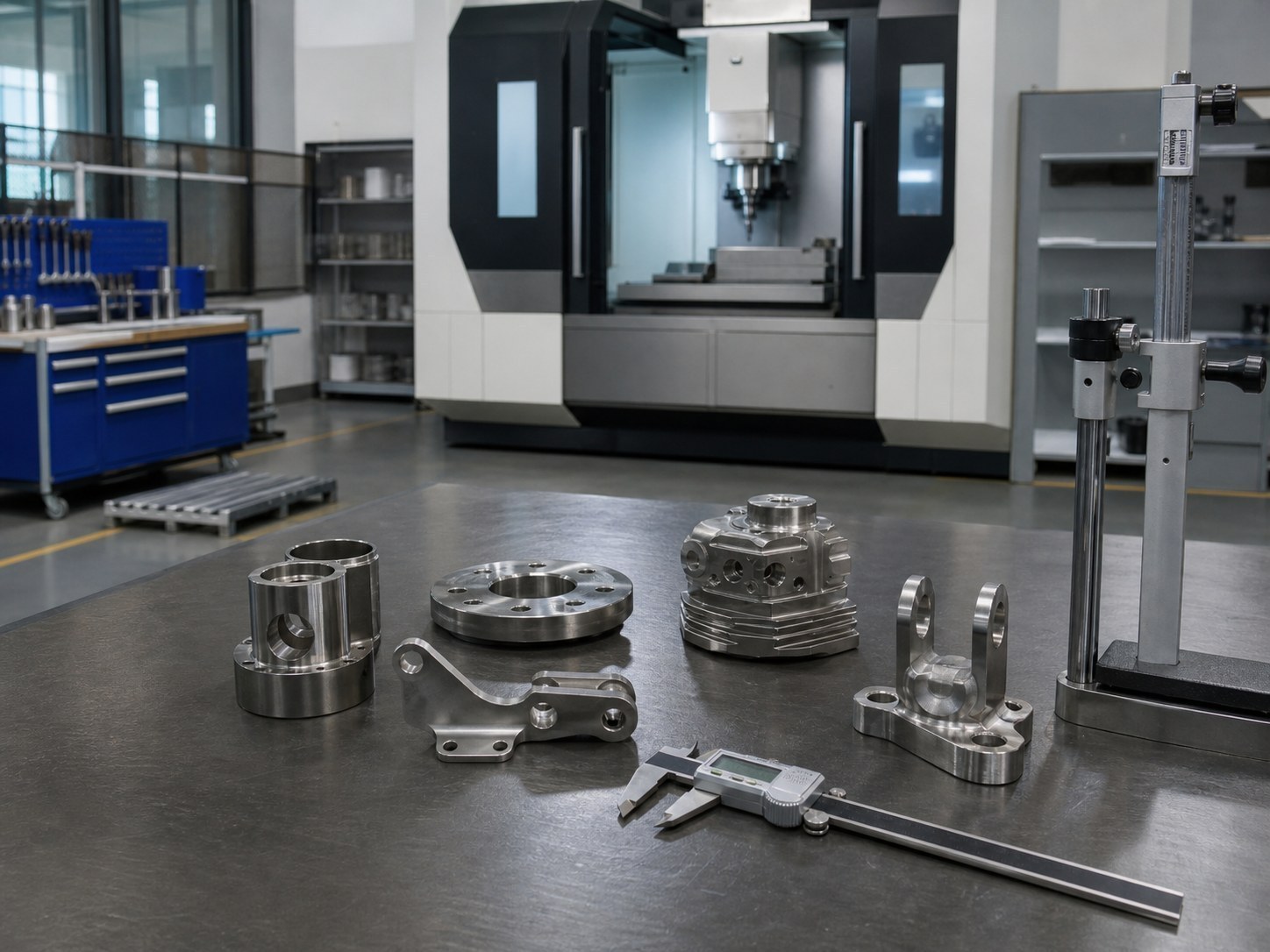
• 钛合金精密结构件置于干净加工台上的真实工业摄影,保留自然刀纹,不出现文字、品牌或图纸。

• 钛合金薄壁零件在柔性支撑夹具中的近景,展示真实装夹与金属表面,不显示参数文字。

• 精密孔与轮廓完成加工后的局部摄影,搭配通用量具形成尺寸复核场景,不出现读数特写或品牌。

• 所有图片使用真实金属摄影风格,避免概念图和明显渲染感;发布前压缩至每张小于 400KB。

参考来源

• ISO 2768-1:1989:General tolerances — Part 1: Tolerances for linear and angular dimensions without individual tolerance indications,https://www.iso.org/standard/7748.html

• ISO 2768-2:1989:General tolerances — Part 2: Geometrical tolerances for features without individual tolerance indications,https://www.iso.org/standard/7749.html

• ISO 286-1:2010:Geometrical product specifications (GPS) — ISO code system for tolerances on linear sizes — Part 1,https://www.iso.org/standard/45975.html

• ISO 1101:2017:Geometrical product specifications (GPS) — Geometrical tolerancing — Tolerances of form, orientation, location and run-out,https://www.iso.org/standard/66777.html

• ISO 21920-1:2021:Geometrical product specifications (GPS) — Surface texture: Profile — Part 1,https://www.iso.org/standard/72196.html

177-0621-7614

177-0621-7614

24小时服务热线

微信咨询
微信二维码

扫码添加微信
备注"公司+姓名"

shiziqiu@oemach.com

shiziqiu@oemach.com

邮箱